The Medical Care Survivors Deserve
When someone experiences sexual violence, a top priority is their physical health and finding support. But the experience can also feel overwhelming, especially when you add in decisions about seeking medical care, evidence collection, and reporting.
That is where Sexual Assault Nurse Examiners (SANEs) and survivor advocates make a difference.
SANEs are specially trained medical professionals who provide comprehensive, trauma-informed care to survivors of sexual assault. They address medical needs, explain available options, and ensure survivors remain in control of decisions about their care and evidence collection.
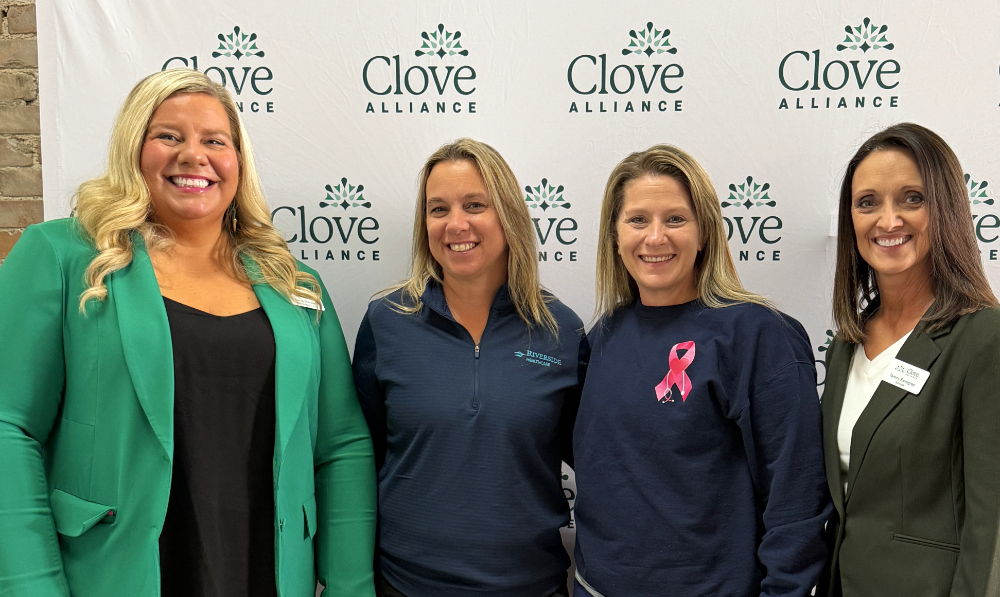
At Clove Alliance, our advocates are grateful to work closely with the outstanding SANE coordinators at our local hospitals to help survivors receive compassionate care and connect with ongoing support. Christina Davis of Riverside Healthcare and Brook Coutant of St. Mary’s Hospital, both in Kankakee, and Serena Day of Carle Hospital in Champaign, shared their thoughts on their special role and working with Clove Alliance.
What makes a SANE different?
Working in the ER at the start of her career, Serena was assigned a sexual assault patient, handed a forensic evidence collection kit, and told to follow the instructions. The experience of treating that first survivor using guidelines from a box left her wanting to understand the process more fully: not just how to collect evidence, but how to provide the best possible care for the person in front of her. That desire motivated her to pursue specialized SANE training. Christina and Brook’s stories are quite similar.
At the time, forensic examinations were often handled by whichever nurse was assigned to the patient, with different medical professionals responsible for different parts of the exam. Without the opportunity to build rapport with one provider who understands sexual trauma, survivors could feel dismissed, blamed, and retraumatized by an invasive exam.
SANE training gives nurses the specialized knowledge to approach this care differently.
In Illinois, becoming a Sexual Assault Nurse Examiner involves 40 hours of classroom instruction, along with clinical training and documentation of clinical experience. The program covers trauma-informed care, medical assessment, forensic evidence collection, and the specialized knowledge needed to support survivors throughout an examination.
“Training to become a SANE teaches you how and where to look for evidence and how to collect it, but also how to treat the whole person,” Christina explains. “You learn a lot about trauma-informed care.”
This specialized training is especially important because trauma impacts people in many different ways. SANEs use their specialized knowledge to recognize these differences and provide individualized care that respects each survivor’s needs. This approach reduces the risk of retraumatization, improves survivors’ experiences, and improves the quality of forensic evidence in sex crime cases.
Putting survivors in control of their care
One of the most important aspects of SANE care is empowering survivors with options. Christina explains that, “Ensuring they feel informed, respected, and in control of their decisions starts from the minute they walk into the ER.” Triage staff work to get survivors into private rooms as soon as possible, ensure a SANE is assigned or called in, and contact a Clove Alliance advocate.
The next steps are up to the survivor, and the SANE explains each option so the patient can decide which types of care and parts of the examination they want. Options may include treating injuries, testing for and preventive treatment of sexually transmitted infections, assessing pregnancy risk and discussing available options, collecting and documenting forensic evidence, and connecting survivors with ongoing support.
All three coordinators emphasize the importance of consent. They share the same phrase: “It’s not all or nothing.” Agreeing to one part of an examination does not mean agreeing to everything, and survivors can change their minds at any time. Christina adds, “It is all based on their comfort and what they want to do. They drive the whole process.”
The way healthcare professionals communicate matters, too. Survivors may be uncertain about seeking care or worried about how they will be treated. Serena says she focuses on affirming words. “Making sure they know I believe them, that this is not their fault, and that I am thankful they shared their story with me can go a long way in helping them feel heard and safe.”
Christina agrees that providing care without judgment or blame is important. Some survivors want to complete the examination with minimal conversation, while others need more emotional support in the moment. A trauma-informed approach respects all responses.
As Christina puts it, “I am a nurse who is here to care for the whole patient, whether they want evidence collected or not. I am not here to investigate or prosecute. My job is to take care of YOU.”
Survivors can seek medical care and support even if they choose not to report to law enforcement, or if they aren’t sure yet. They can also choose to have evidence collected and stored for up to 10 years from the exam, or until 10 years after the survivor turns 18, giving them time to process and decide.
The dedication behind SANE care
Providing this level of individualized care takes time, specialized knowledge, and a significant commitment from the nurses who choose to do this work. Examinations can take hours, and SANEs may stay well beyond their scheduled shifts or respond to on-call requests at any hour. They may also be called upon to explain their findings in legal proceedings.
“You have to have compassion for survivors and be passionate about this work because it is above and beyond the calling of a nurse,” Serena says. Christina agrees: “SANEs are passionate; you are going to give your best self to each survivor. You have chosen to be there.”
“SANEs are passionate; you are going to give your best self to each survivor. You have chosen to be there.”
– SANE Coordinator Christina Davis
One experience early in Serena’s career has stayed with her. She cared for two young siblings who came to the ER with their mother. Years later, their mom recognized Serena in public and shared that her daughters still talked about the positive impact of her care.
“Having someone supportive there at the hospital can make all the difference,” Serena says.
That type of impact motivates Christina, too. She makes herself available when additional coverage is needed.
“If I’m not home when my husband wakes up, he knows right away that I went in to work. I love that I can use my job to give back to the community I live in,” she says.
SANEs also have to be ready to testify. The evidence they collect can be very helpful during an investigation and legal proceedings, and they may be asked to share their findings in court. Having greater confidence in taking the stand, Brook notes, is another benefit of her specialized training.
Christina observes her profession is highly respected and “…when a specialized nurse documents evidence and asks the patient the right questions, like ‘what were you experiencing, feeling, going through in the moment,’ and records that…it’s significant to a jury or judge.” They may even provide a way for survivors to be heard. Serena explains that “Because SANEs provide medical care, statements survivors make during the medical forensic examination may be admissible under a hearsay exception, allowing the SANE to testify about relevant portions of the survivor’s history. This ensures their voices are heard and represented in court, even if they are unable to take the stand themselves.” Their contributions can be powerful.
How Clove Alliance and SANEs work together
Medical care is one important part of a survivor’s experience. Support may also be needed before arriving at the hospital, during the examination, and long after leaving the ER.
Clove Alliance advocates walk with survivors through every step. They can meet them at the hospital, explain their options, answer questions, and provide emotional support. They also help survivors understand medical and legal processes, connect with counseling, and access additional resources.
Our relationships with SANEs help make these connections possible.
Christina describes Clove Alliance advocates as an essential part of the care survivors receive, from sitting with someone while they wait for a SANE to arrive to helping them get services after leaving the hospital.
“Advocates are so knowledgeable and can provide so many resources,” she says. “They are a huge support from start to finish of an exam, and well beyond.”
As Brook puts it, “No one else in the world understands my job and my survivor patients as they do.” Serena feels the same: “We couldn’t do what we do without the support of advocates. They make a world of difference in the care we provide. They prepare survivors for what comes after they leave the hospital and make sure they get what they need, from counseling to advocacy in the legal system.”
“We couldn’t do what we do without the support of advocates. They make a world of difference in the care we provide.”
– SANE Coordinator Serena Day
That’s what makes our partnership particularly important: survivors’ needs do not end when an examination is complete. They may want help understanding their options, counseling, guidance in the legal process, or assistance finding a safe place to stay.
One way we collaborate is as members of the Sexual Assault Response Team (SART). Professionals from different disciplines, including medical providers, survivor advocates, and law enforcement, come together to improve the community’s response to sexual violence. By sharing expertise and strengthening communication, these teams help ensure survivors can access coordinated care and support.
Brook highlights how powerful this teamwork is. “I don’t do this job alone. The advocates, DCFS staff, detectives, prosecutors…everyone is working toward better outcomes and support for survivors.” Their shared goals foster trust and open communication. “There’s at least one detective at every local police department who has my personal cell number. They know they can call me when they have questions.”
“I don’t do this job alone. The advocates, DCFS staff, detectives, prosecutors…everyone is working toward better outcomes and support for survivors.”
– SANE Coordinator Brook Coutant
Christina sees the benefits too. For example, she knew who to call when a survivor needed a temporary place to stay while waiting for family to arrive from another state. Her knowledge of local resources and connections through SART made it possible.
“I have such gratitude for Clove Alliance…,” Serena says. “I see the difference their work with local agencies has made to create a better community response.”
For Clove Alliance, these partnerships broaden our ability to support survivors. We’re grateful to SANEs who bring specialized knowledge and dedication to their work, which extends well beyond evidence collection to follow-up care, support, and connections to community services. It’s all valuable, and we hope this encourages survivors to seek a SANE’s care, even if they are outside the timeframe for collecting forensic evidence.
We’re grateful survivors in our community can access medical care that comes with such compassion.
Support is available
If you or someone you know has experienced sexual violence, you do not have to navigate the next steps alone.
Clove Alliance provides free, confidential services for survivors of sexual violence of all ages in Kankakee, Iroquois, and Ford counties. Our advocates can accompany survivors during hospital visits, explain options for medical care and evidence collection, provide legal advocacy, and connect survivors with counseling and other resources.
You can receive medical care without deciding whether to report to law enforcement. You also do not have to know what you want to do next before reaching out to an advocate.
Call the Clove Alliance 24-hour crisis hotline at 815.932.3322 to speak with a trained advocate.